
The digital marketing landscape continues to evolve rapidly, bringing new technologies, trends, and opportunities for brands to connect with their audiences in more engaging and personalized ways. As businesses adapt to these changes, staying ahead of the latest innovations is crucial to remaining competitive.
Here are 10 key digital marketing trends that will define 2025 and beyond:
1. Artificial Intelligence (AI) and Machine Learning
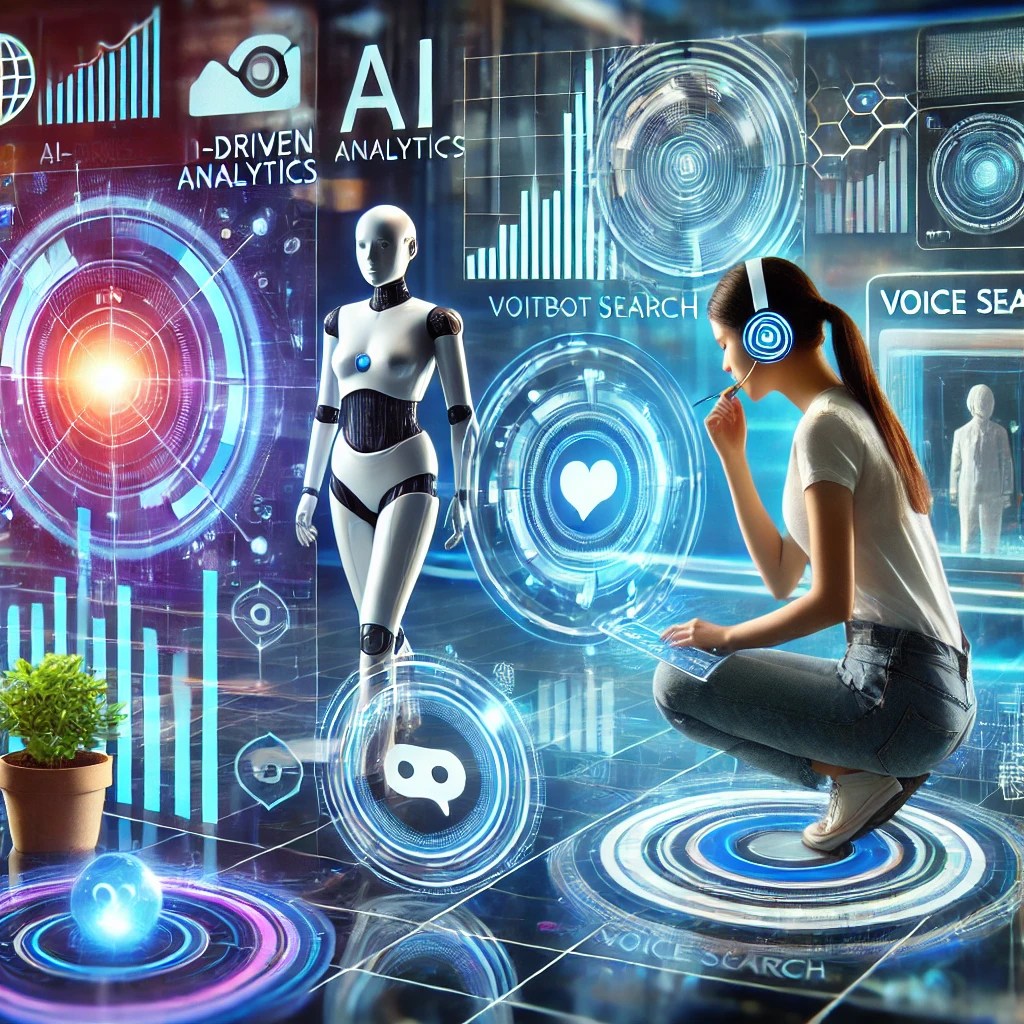
AI and machine learning are no longer futuristic concepts—they are at the core of today’s most effective marketing strategies. In 2025, AI-driven tools will continue to revolutionize digital marketing by providing:
✅ Personalization at Scale: AI enables brands to analyze consumer behavior and deliver highly personalized content in real time. From automated email campaigns to product recommendations, AI ensures that every interaction is relevant and engaging.
✅ AI-Powered Content Creation: AI-generated content, including blog articles, product descriptions, and social media captions, is becoming more sophisticated. Advanced tools like ChatGPT and DALL·E are enabling marketers to produce high-quality content efficiently.
✅ Predictive Analytics: AI helps businesses anticipate consumer needs by analyzing past interactions and behaviors. This means companies can tailor offers and messages before customers even realize what they need.
As AI continues to evolve, brands that embrace its capabilities will be able to provide more meaningful and seamless customer experiences.
2. Voice Search and Voice Assistants
The rise of voice-enabled technology is transforming the way consumers interact with brands. Digital assistants like Siri, Alexa, and Google Assistant are now a common part of daily life, with users relying on voice search to find information, make purchases, and control smart devices.
Why it matters in 2025:
🔹 Optimizing for Voice Search: Traditional SEO strategies are evolving as voice queries become more conversational and longer. Businesses need to focus on natural language processing and optimize content for questions-based searches (e.g., “Where is the best Italian restaurant near me?”).
🔹 Growth of Audio Content: Podcasts and voice-driven platforms continue to expand, offering new advertising and engagement opportunities for brands.
🔹 Voice-Powered Shopping: Consumers are increasingly using voice commands to shop online, making voice commerce (V-commerce) a key area for brands to optimize.
Brands that adapt their content for voice search and audio interactions will stay ahead in this rapidly changing landscape.
3. Mobile-Centric User Experience (UX)
With over 60% of global internet traffic coming from mobile devices, providing an exceptional mobile experience is non-negotiable in 2025.
Key UX improvements for 2025:
✅ Mobile-First Websites: Google prioritizes mobile-friendly websites in its rankings, making responsive design and fast loading speeds critical.
✅ Simplified User Interfaces (UI): Brands are focusing on minimalist designs, larger buttons, and streamlined navigation to improve mobile engagement.
✅ One-Click Purchases: Mobile commerce (M-commerce) is growing, and brands that simplify the checkout process with one-click payment options will see higher conversion rates.
A seamless mobile experience isn’t just a bonus—it’s a necessity for brands looking to retain customers and drive sales.
4. Augmented Reality (AR) and Virtual Reality (VR)
AR and VR are redefining customer engagement by creating immersive brand experiences that go beyond traditional digital marketing.
How AR & VR will impact marketing in 2025:
🔹 Virtual Try-Ons: E-commerce brands are using AR to allow customers to try on clothes, accessories, and makeup virtually before making a purchase.
🔹 3D Product Demos: Real estate, automotive, and retail industries leverage VR to offer interactive tours and product experiences.
🔹 Augmented Advertising: AR-powered ads provide interactive experiences, such as scanning a QR code to unlock a digital product preview.
As AR and VR technologies become more accessible, brands that integrate these tools into their marketing strategies will create more engaging and memorable experiences for consumers.
5. Programmatic Advertising
The days of manually buying ads are fading. Programmatic advertising uses AI to automate the buying, placement, and optimization of digital ads, making campaigns more efficient and cost-effective.
What makes programmatic advertising essential in 2025?
✅ Hyper-Personalized Targeting: AI enables brands to deliver ads to the right audience at the right time, based on user behavior and preferences.
✅ Real-Time Bidding (RTB): Advertisers can adjust ad spend dynamically, ensuring they get the best possible placements for their budget.
✅ Cross-Platform Integration: Programmatic ads run across multiple channels, including social media, search engines, and streaming services.
With programmatic advertising, brands maximize ROI while reaching highly targeted audiences.
6. The Metaverse and Virtual Spaces
The Metaverse is no longer just a buzzword—it’s shaping the future of digital interactions. While fully realized virtual worlds are still developing, brands are already exploring ways to engage users in immersive digital spaces.
Metaverse marketing opportunities in 2025:
🔹 Virtual Storefronts: Brands create digital showrooms where customers can explore products in a 3D environment.
🔹 Virtual Events & Experiences: Companies host interactive experiences, such as product launches, brand activations, and live concerts.
🔹 Branded Digital Avatars: Users engage with brands through personalized avatars and digital goods (NFTs).
Although the Metaverse is still evolving, businesses that establish a presence in virtual environments will gain an early competitive advantage.
7. NFTs and Blockchain in Marketing
NFTs and blockchain technology are opening new possibilities for digital ownership, exclusivity, and brand engagement.
How brands are leveraging NFTs in 2025:
✅ Exclusive Digital Collectibles: Brands release NFTs as loyalty rewards, limited-edition content, or virtual merchandise.
✅ Blockchain-Based Transparency: Consumers trust brands more when transactions and product authenticity are verified through blockchain.
✅ Gamification & Engagement: Companies use NFTs to create interactive experiences and incentivize customer participation.
NFTs are more than just digital art—they offer real value and engagement opportunities for brands looking to innovate.
8. Google Analytics 4 (GA4) and Data Privacy
With increasing data privacy regulations, businesses are shifting to Google Analytics 4 (GA4) for advanced data tracking and insights.
What makes GA4 essential in 2025?
✅ Event-Based Tracking: GA4 moves beyond page views to track user interactions across websites, apps, and platforms.
✅ AI-Powered Insights: Machine learning helps predict user behavior and optimize marketing strategies.
✅ Privacy-First Approach: GA4 complies with new privacy laws while still providing actionable data for marketers.
Understanding first-party data is now more critical than ever, as businesses adapt to a cookieless digital world.
9. Omnichannel Marketing
Consumers expect a seamless experience across all digital and physical touchpoints.
Omnichannel marketing in 2025:
🔹 Cross-Platform Consistency – A brand’s messaging remains the same across social media, email, and in-store experiences.
🔹 Data Integration – AI connects customer interactions across devices to personalize content.
🔹 Personalized Engagement – Brands customize content based on customer preferences and behaviors.
A strong omnichannel strategy builds customer loyalty and boosts engagement.
10. Content Marketing Focused on User Experience (UX)
Content marketing is shifting from promotional messaging to value-driven storytelling that enhances the user experience.
Why UX-focused content is crucial in 2025:
✅ Educational & Interactive Content – Brands create how-to guides, tutorials, and interactive content that provides value.
✅ Video & Short-Form Content – Short-form videos (Reels, TikToks) dominate consumer engagement.
✅ AI-Generated & Personalized Content – AI helps brands tailor content based on user preferences.
Content that adds value, educates, and entertains will drive higher engagement and conversions.
These trends represent the next wave of innovation in 2025 and beyond. As technology continues to evolve, businesses must adapt their marketing strategies to remain competitive. 💡 Which trend do you think will have the biggest impact this year?
#DigitalMarketing2025 #AI #VoiceSearch #Metaverse #AR #VR #MarketingTrends #Featured
 readybrandstudio.com
Leave a comment