

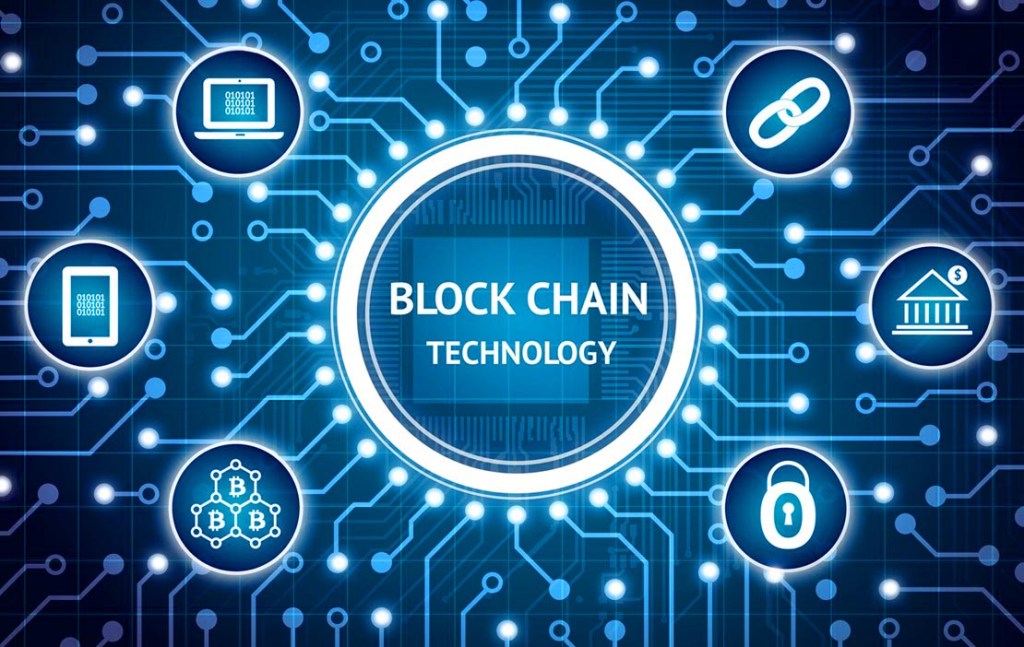
Blockchain technology extends beyond cryptocurrency like Bitcoin. Its capacity to enhance transparency and fairness, along with its potential to streamline operations, is revolutionizing numerous industries. From contract enforcement to government efficiency, blockchain is reshaping business practices. Below are a few real-world examples illustrating the practical yet transformative applications of blockchain. While not comprehensive, these instances highlight the significant shifts underway in our business landscape.
*Supply chain management: Blockchain is used to improve transparency and traceability in the supply chain. It allows you to track the origin and route of products from production to final delivery, which helps prevent fraud, ensure quality and streamline logistics processes.
*Property Registry: Blockchain can be used to create immutable and transparent property records. This can apply to tangible assets, such as land and property, as well as digital assets, such as copyrights and works of art. Blockchain technology ensures authenticity, integrity and secure transfer of ownership.
*Electronic voting: Blockchain can provide a secure and transparent solution for electronic voting. By using blockchain technology, votes can be recorded and counted in a secure and verifiable manner, reducing the risk of electoral manipulation and fraud.
*Healthcare: Blockchain has the potential to improve the interoperability and security of electronic medical records. It allows patients to have more direct control over their medical data and securely share it with authorized healthcare providers. Additionally, blockchain technology is also used to track and authenticate the drug supply chain.
*Digital identity: Blockchain technology can be used to manage and protect people’s digital identity. It allows individuals to have stronger control over their personal data and share only the information necessary in each online transaction or interaction. This helps prevent identity theft and provides greater privacy and security in the digital world.
*Metaverse: The use of this technology could bring certain benefits and features to the metaverse, such as the security and ownership of digital assets. Records in the blockchain could guarantee the ownership and authenticity of these assets. In the virtual economy, the use of blockchain will support these coins or tokens to improve transparency and trust in transactions within the metaverse. Likewise, for digital Identity, Blockchain could be used to manage and ensure the privacy and authenticity of each user’s data. Furthermore, decentralized blockchain-based governance could facilitate community decision-making and the evolution of the virtual environment itself.
These are just a few of the many potential applications of blockchain technology in various sectors.
“Its decentralized, secure and transparent nature makes it a promising solution to solve problems of trust, efficiency and security in different industries and areas of society.”
It is based on distributed consensus, meaning that all participating parties in the network must agree to the rules and validate transactions. This eliminates the need for a central authority and makes the blockchain resistant to manipulation and malicious attacks.
These features make blockchain considered a promising technology to drive the new digital era by providing a reliable and secure infrastructure for data transfer and storage, as well as enabling new forms of online collaboration and transactions.
So, welcome to the future of the new digital age, a world where blockchain technology is redefining the way we interact, transact and share information.
 READY BRAND STUDIO
Leave a reply to THE FUTURE OF THE DIGITAL FUTURE: BLOCKCHAIN Cancel reply